Cart
0
You may also like
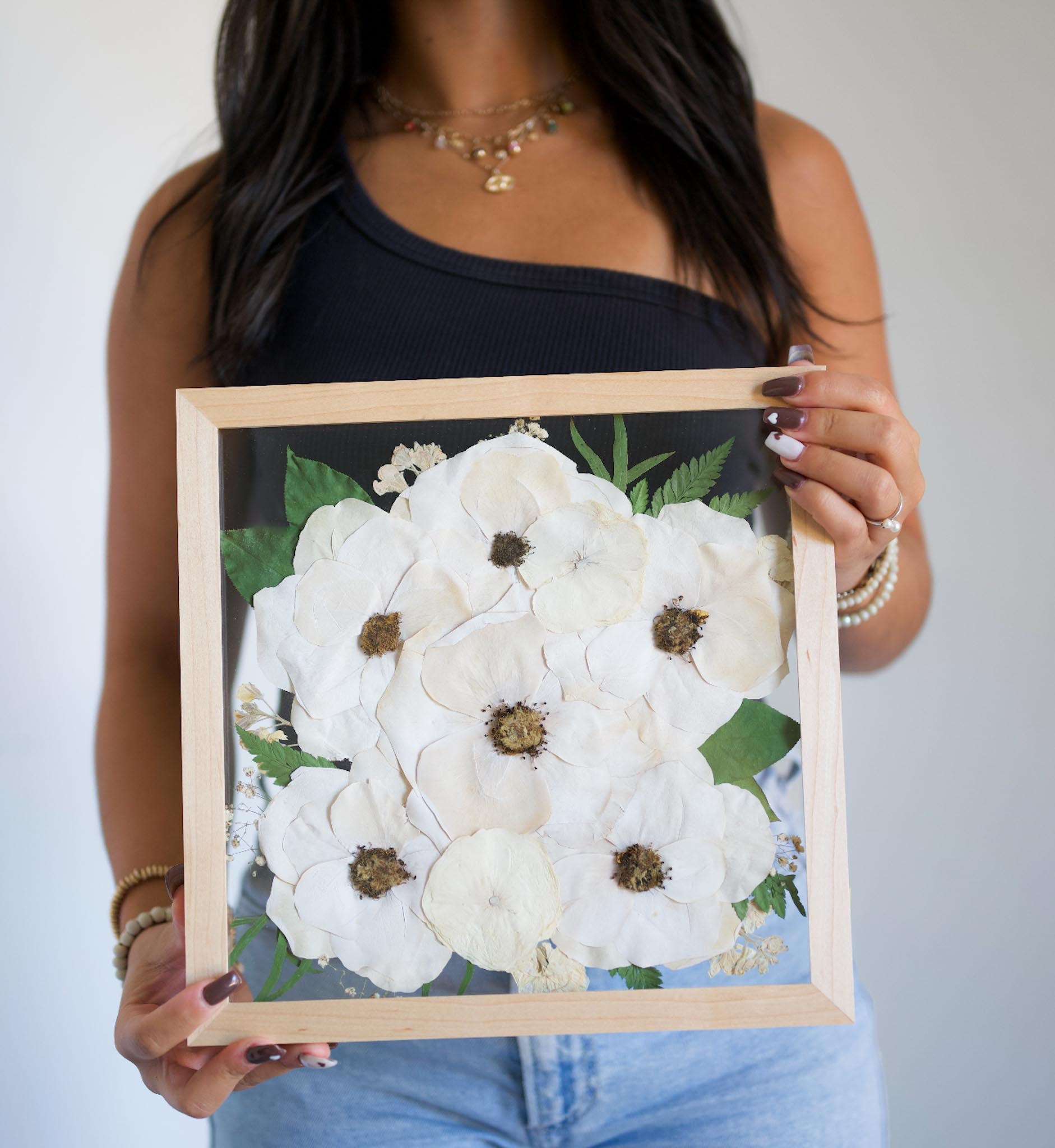
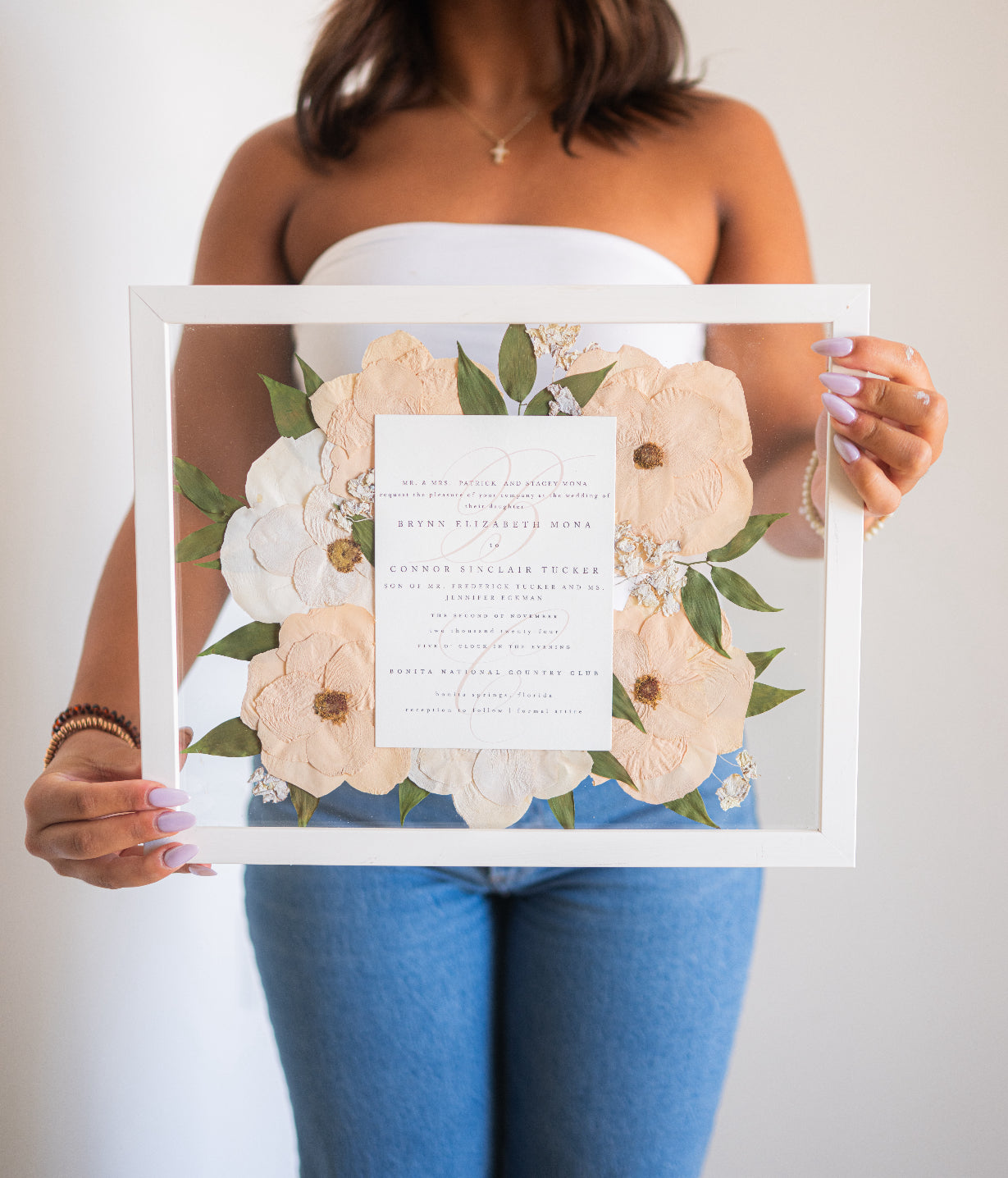
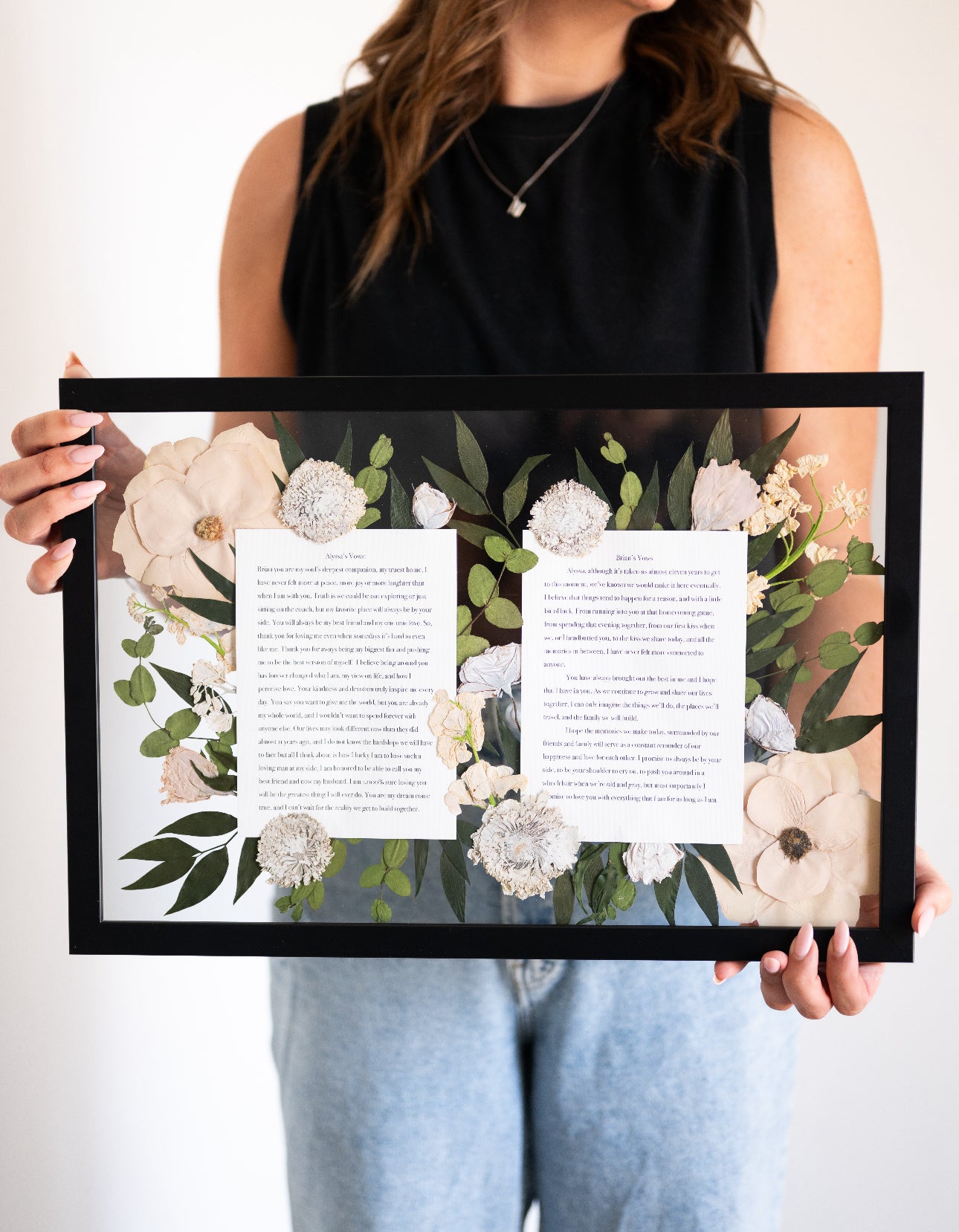
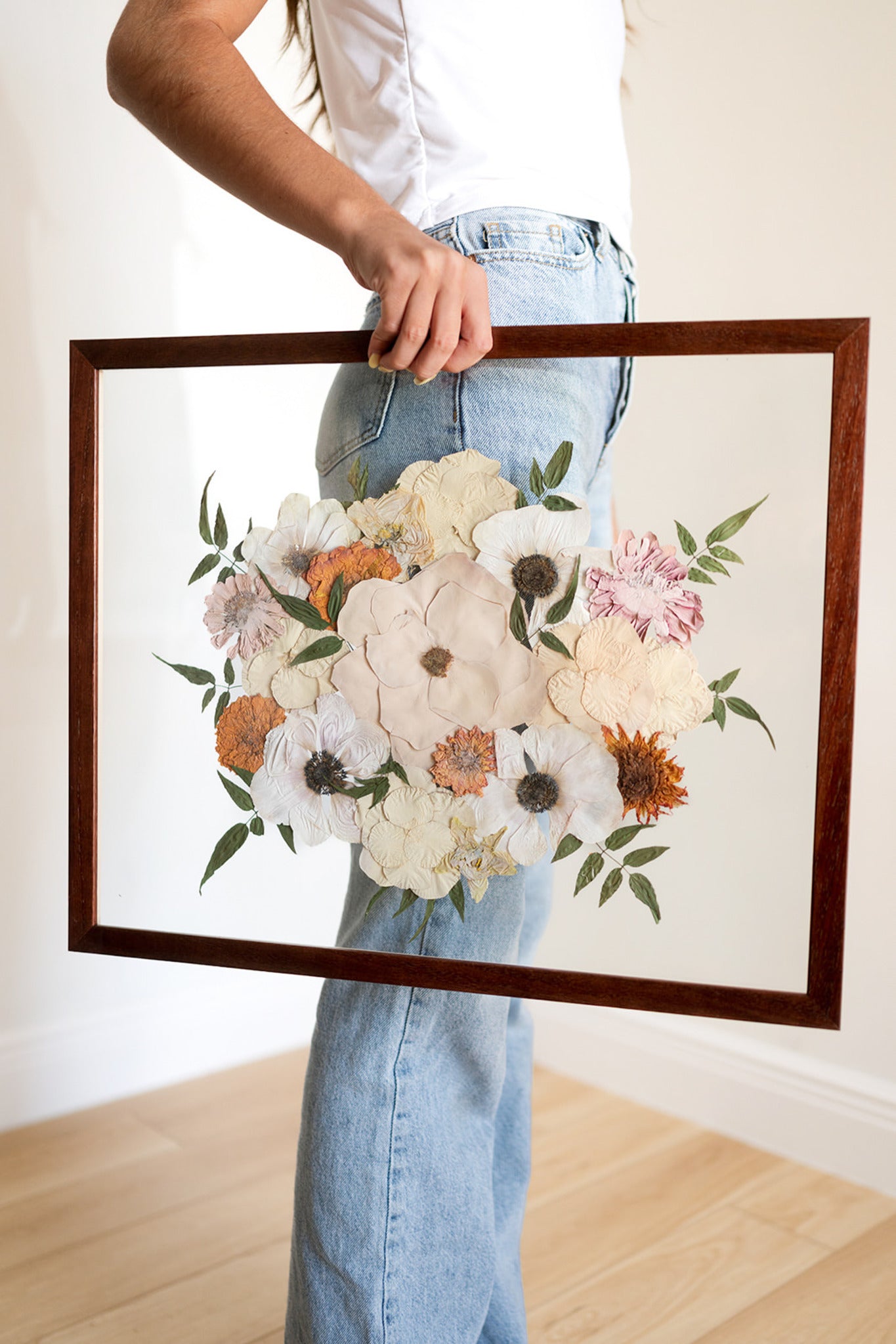
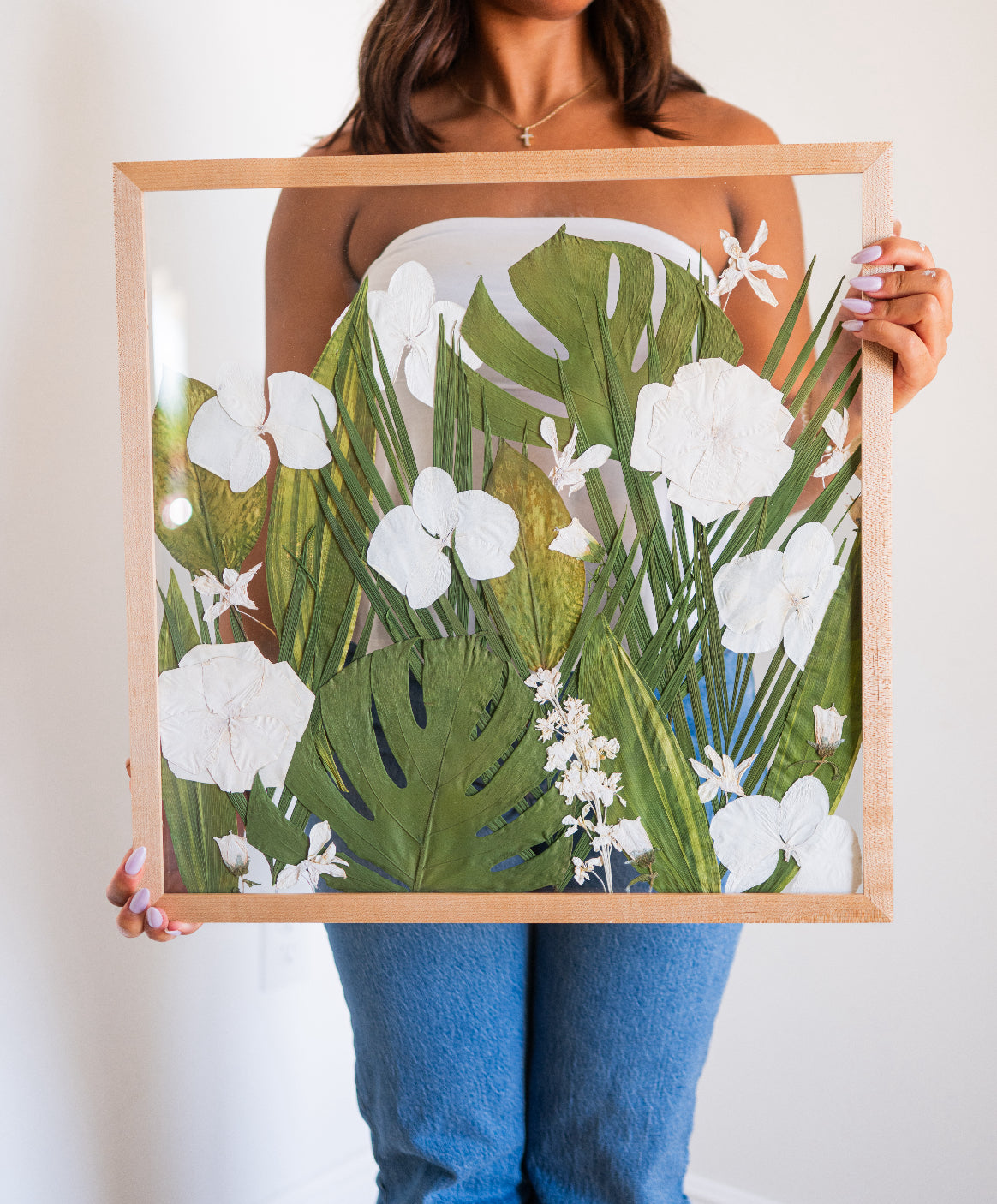



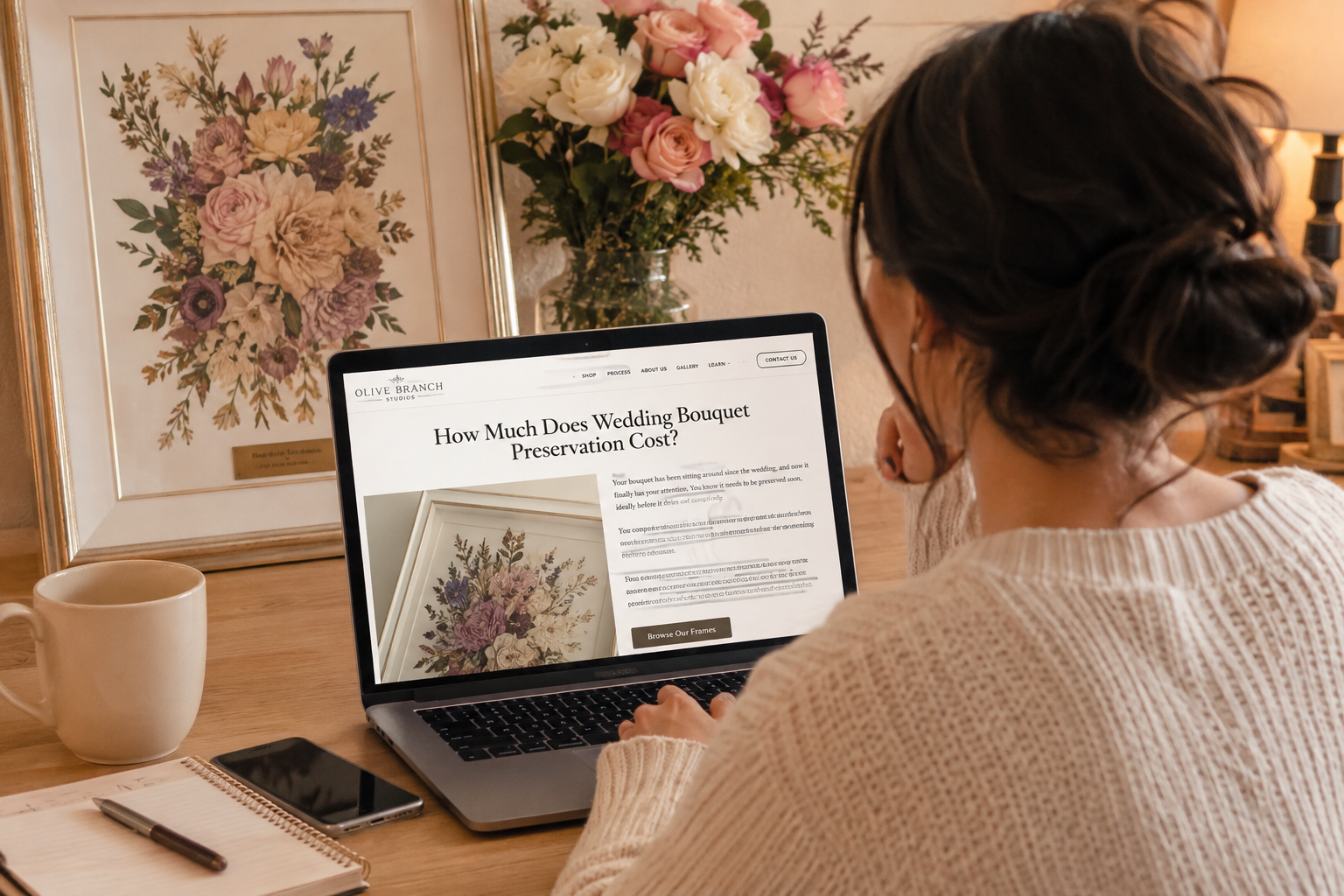
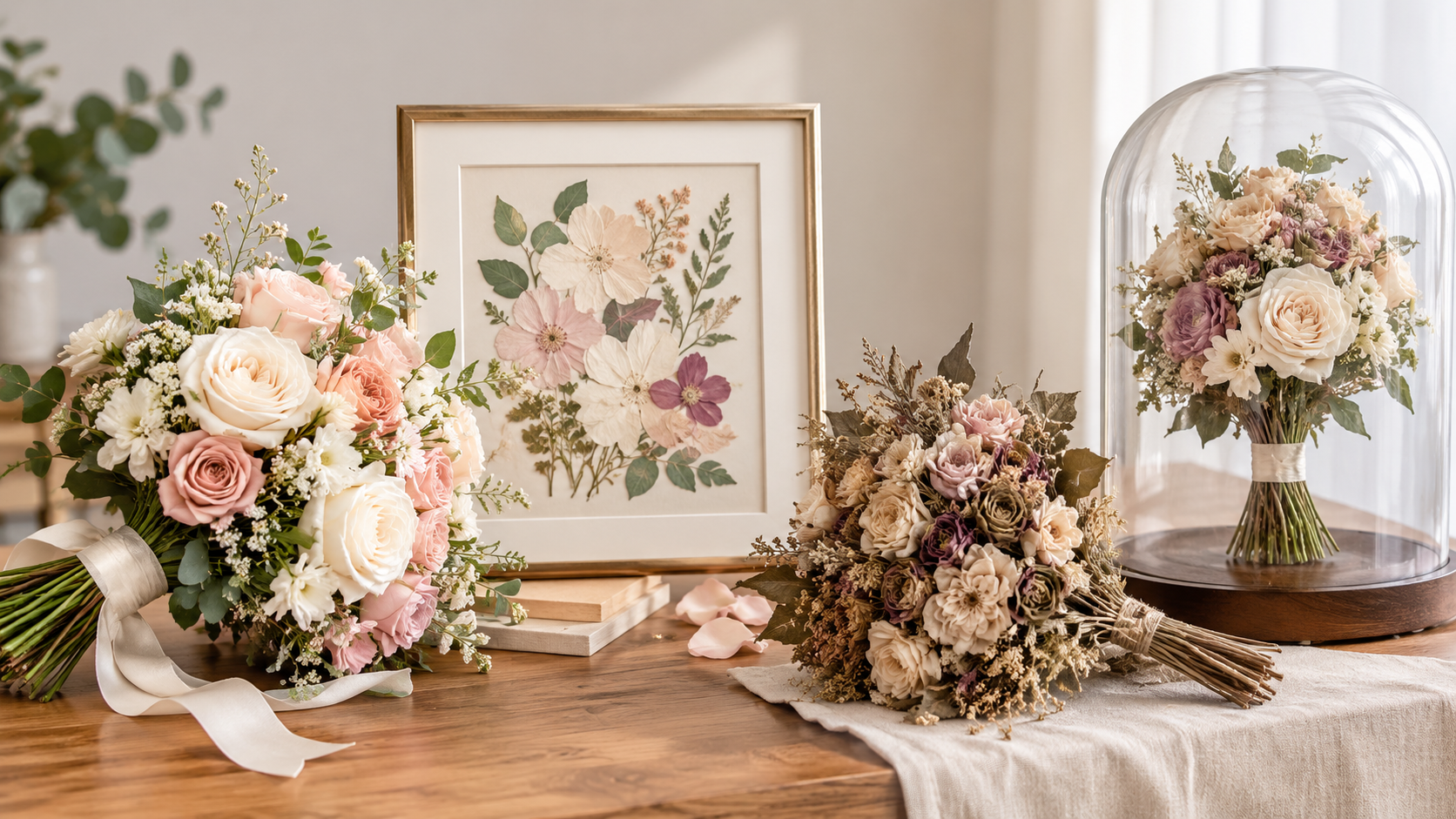
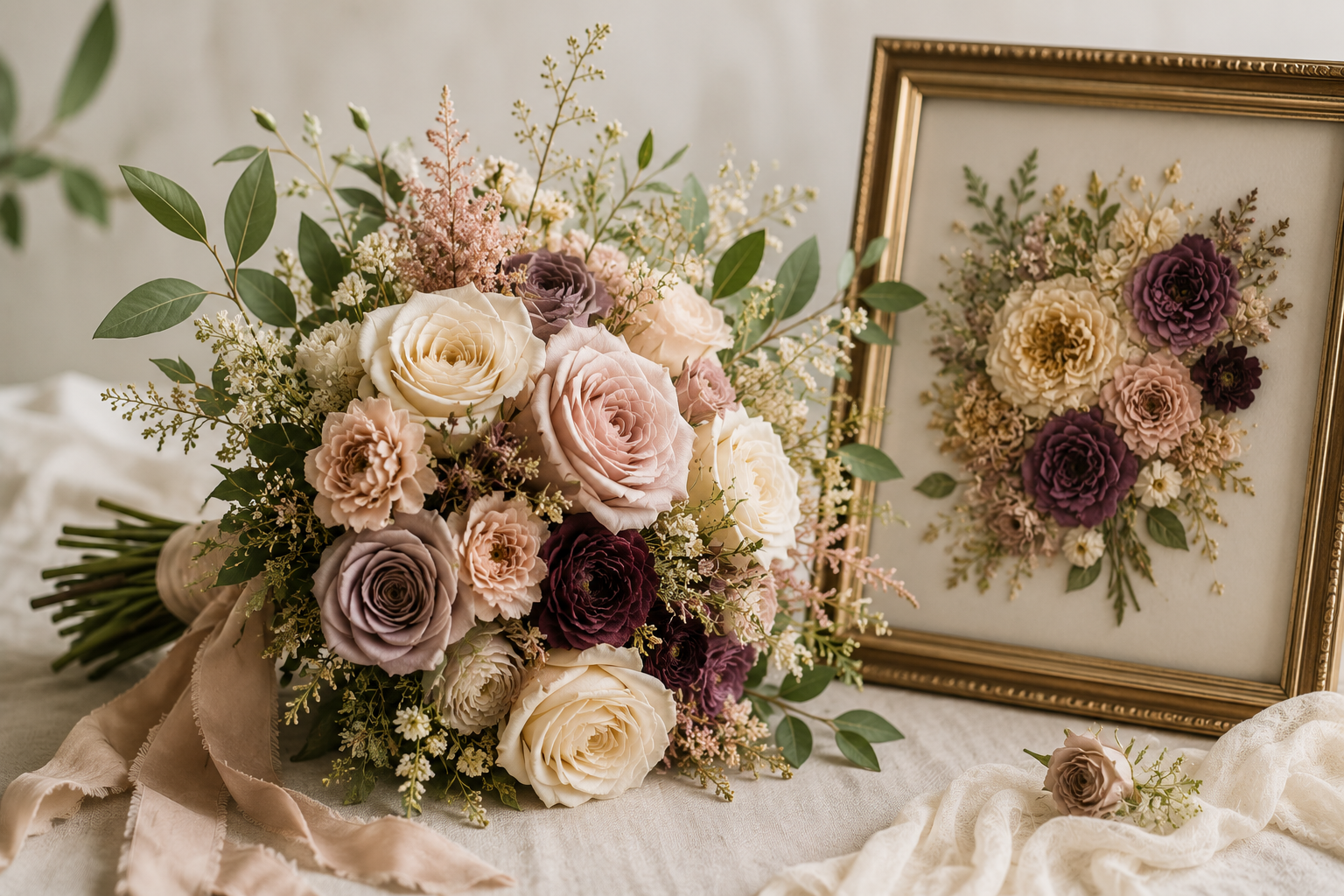
Your bouquet has been sitting around since the wedding, and now it finally has your attention. You know it needs to be preserved soon, ideally before it dries out completely. But before you send it anywhere, you’re stuck comparing five different studios with five different price tags and no clear idea why they’re so far apart.
That’s when you start wondering what wedding bouquet preservation should actually cost and why one studio charges $300 while another charges $600 for what looks like the same service. Frame size plays a major role in prices, and so do the process behind the preservation itself, the time taken, the material used, and whether color correction is part of the deal or not.
Once you understand what actually drives the price, you'll know exactly what you're paying for, and you'll be able to book with confidence instead of crossing your fingers. This guide walks you through the typical price ranges you'll come across and which add-ons are worth paying for.
The price for wedding flower preservation isn't based on just the flowers. It's based on five separate jobs that go into turning your bouquet into a full-fledged art piece. What you usually see on a website is just a number that doesn't clearly explain what the service is actually covering.
The cost of each preservation is determined by what and how much work goes into each of these steps.
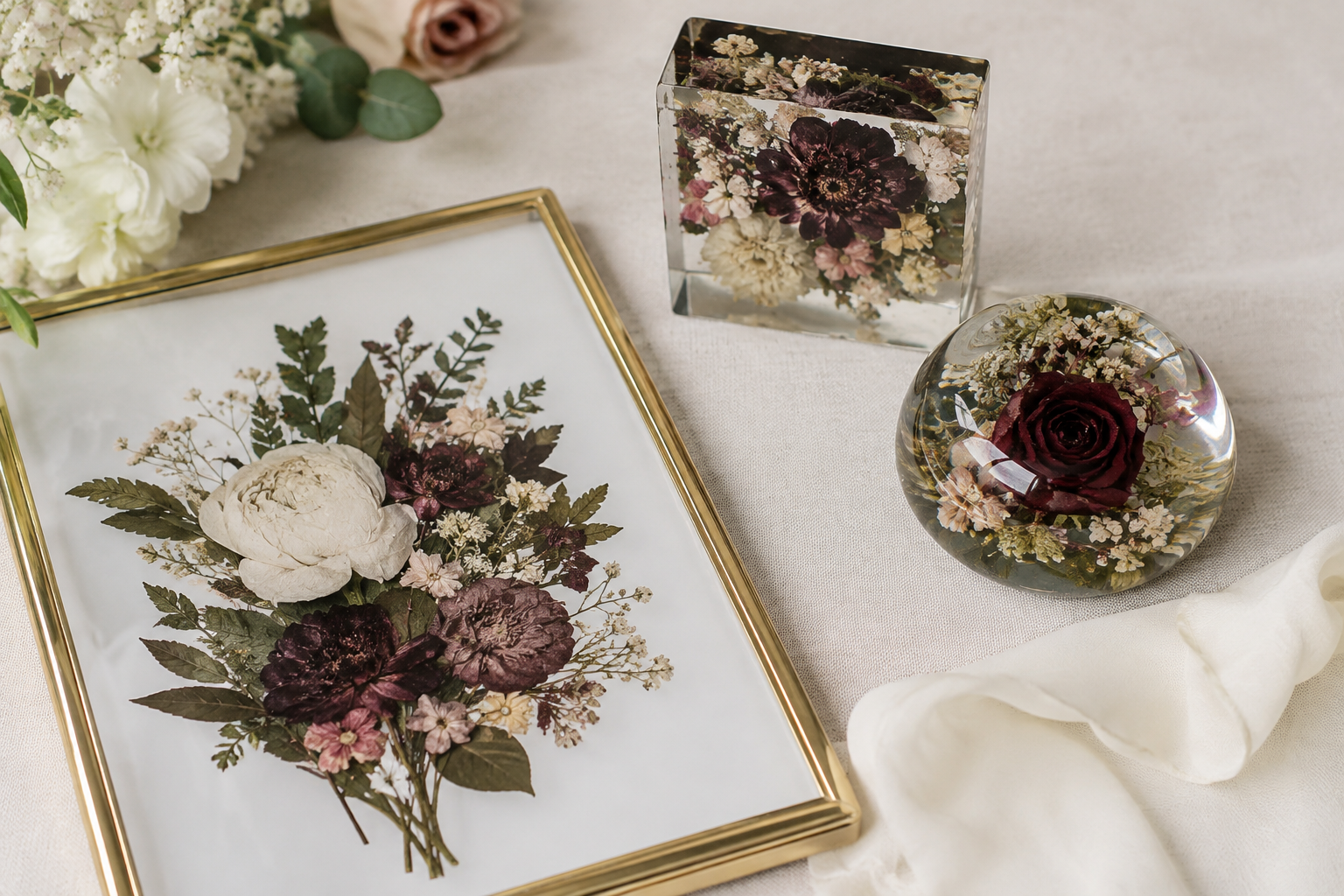
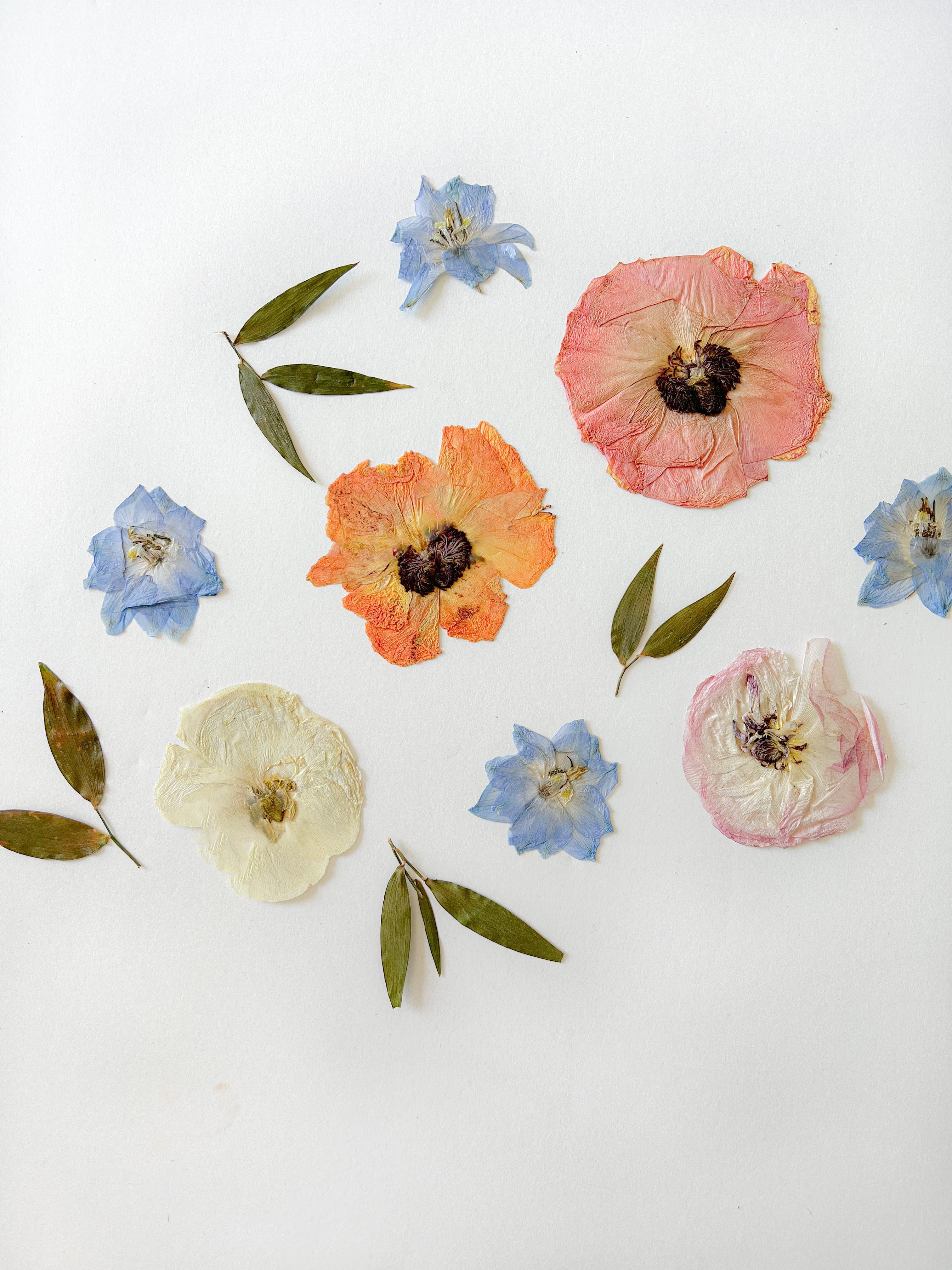
Drying Method: Pressing or drying flattens or dries out the flowers, usually with silica or just plain air, and which method gets used depends on the bloom itself and how you want the final piece to look
Color Correction: Color correction brings back the natural color that fades or browns once flowers are dried, and it's the step that separates a bouquet that still looks alive from one that looks tired
Arranging: Arranging is where your bouquet gets put back together, not always exactly how it looked on your wedding day either. Sometimes it gets reshaped a bit to actually work inside the frame
Framing: Framing locks everything in place, and most studios use UV-protective glass here so the colors don't fade out again a year or two down the line
Personal Touches: Personal touches are the small extras, your date, your initials, maybe a little engraving, the kind of detail that makes the piece feel like it's actually yours and not just a generic frame
So when you're comparing a $300 quote to a $600 quote, you're not comparing the same five jobs done at different prices. You're often comparing different levels of care put into each one, especially color correction and framing. That's where the real wedding bouquet preservation cost difference lives, and it's what we'll break down next.
Frame size is one of the bigger factors in your final price. A larger frame means more flowers from your bouquet get used, more color correction work across all of them, and more decisions about how everything gets arranged so the piece looks full and intentional, not empty or overcrowded.
Costs anywhere between $125 and $400. This size works well for a single stem, a boutonniere, or a smaller bouquet that doesn't need much room to feel complete.
Costs anywhere between $400 and $550. Most full bridal bouquets end up in this range, since there's enough space to lay everything out the way it naturally fell without having to redesign much.
Costs anywhere between $545 and $750. There's more open space here, so more time goes into arranging things so the piece feels full instead of scattered. That extra work is really what you're paying for, not just a bigger piece of wood and glass.
Costs anywhere between $675 and $900. These usually make sense for bouquets with a lot of volume, or for couples who want their piece to feel like actual wall art rather than a small keepsake. It takes longer to arrange, and it's meant to stand out, not sit quietly on a shelf.
Size sets the starting point, but it doesn't tell you everything. Two bouquets in the exact same frame size can come out at completely different prices depending on how delicate the flowers were, how much color correction they needed, and how much time went into arranging them just right. That's the part that actually separates one studio's pricing from another, and it's what we'll break down next.
Most of you assume the price comes down to frame size and the five core wedding flower preservation steps and stop comparing there. But there's a second layer to the cost that rarely gets mentioned upfront, the condition of the bouquet itself and what you're personally expecting from the final result.
These factors don't show up on a price list, but they absolutely show up in your final invoice.
A bouquet that's still fresh and intact is far easier to work with than one that's already wilting, browning, or losing petals by the time it reaches the studio. Damaged flowers need extra time just to stabilize before any actual preservation work can begin, and that extra time gets reflected in the price.
Two bouquets can look equally beautiful in photos and still require very different amounts of work behind the scenes. One might need minimal touch-ups, while another needs significant color restoration or careful rebuilding to hold its shape inside the frame.
A small, single-flower bouquet takes less time to press, arrange, and correct than a large bouquet with multiple flower types, each requiring its own handling method.
Bouquets that travel longer distances or sit in transit for several days are more likely to arrive in rougher condition, which circles back to needing extra stabilization work.
Wanting an exact replica of your original bouquet is a different request than being open to a redesigned arrangement. The more specific and detailed your vision, the more precision the studio has to put into matching it.
None of this is the studio padding your bill. It's the actual labor behind getting a fragile, fading bouquet into something that looks intentional and lasts. Once you factor this in, the price starts to make a lot more sense, and so does the range you'll see from one studio to the next.
At the end of the day, this isn't really about finding the cheapest price out there for wedding bouquet preservation. It's about knowing exactly what you're paying for, the pressing, the color correction, the framing, and all the care that goes into handling a bouquet that means something to you. Once you understand what to look for, comparing studios and the prices starts feeling a lot less confusing.
If you're ready to preserve your wedding bouquet with people who actually take color correction and craftsmanship seriously, that's what we do at Olive Branch Studios - check us out today. From the moment you reach out to the day your framed piece arrives, we'll walk you through what your bouquet actually needs and what that means for your price.
Most studios need to see your bouquet, or at least photos of it, before giving a firm price, since condition and flower type both factor into the final cost.
Not always. A large bouquet with simple flowers can sometimes cost less than a smaller one with delicate or heavily pigmented blooms that need more careful handling.
If budget matters more to you than size, a smaller frame still preserves your bouquet just as well. The size affects materials and labor, not the quality of preservation itself.
Yes, many studios allow you to add boutonnieres, loose petals, or other sentimental flowers into the same piece, usually for an added fee.
Not automatically. A higher price should reflect more skill and attention, especially in color correction, but it's worth checking a studio's past work rather than assuming cost alone tells you quality

Hope founded Olive Branch Studios in 2020 while dedicating her time to mission work. With a passion for art and a heart for service, she initially created pressed flower art to support her missions. Her creative vision and commitment to craftsmanship have shaped Olive Branch Studios into the thriving business it is today. Hope continues to lead the company’s artistic direction, infusing each project with her unique touch and unwavering dedication.