Cart
0
You may also like
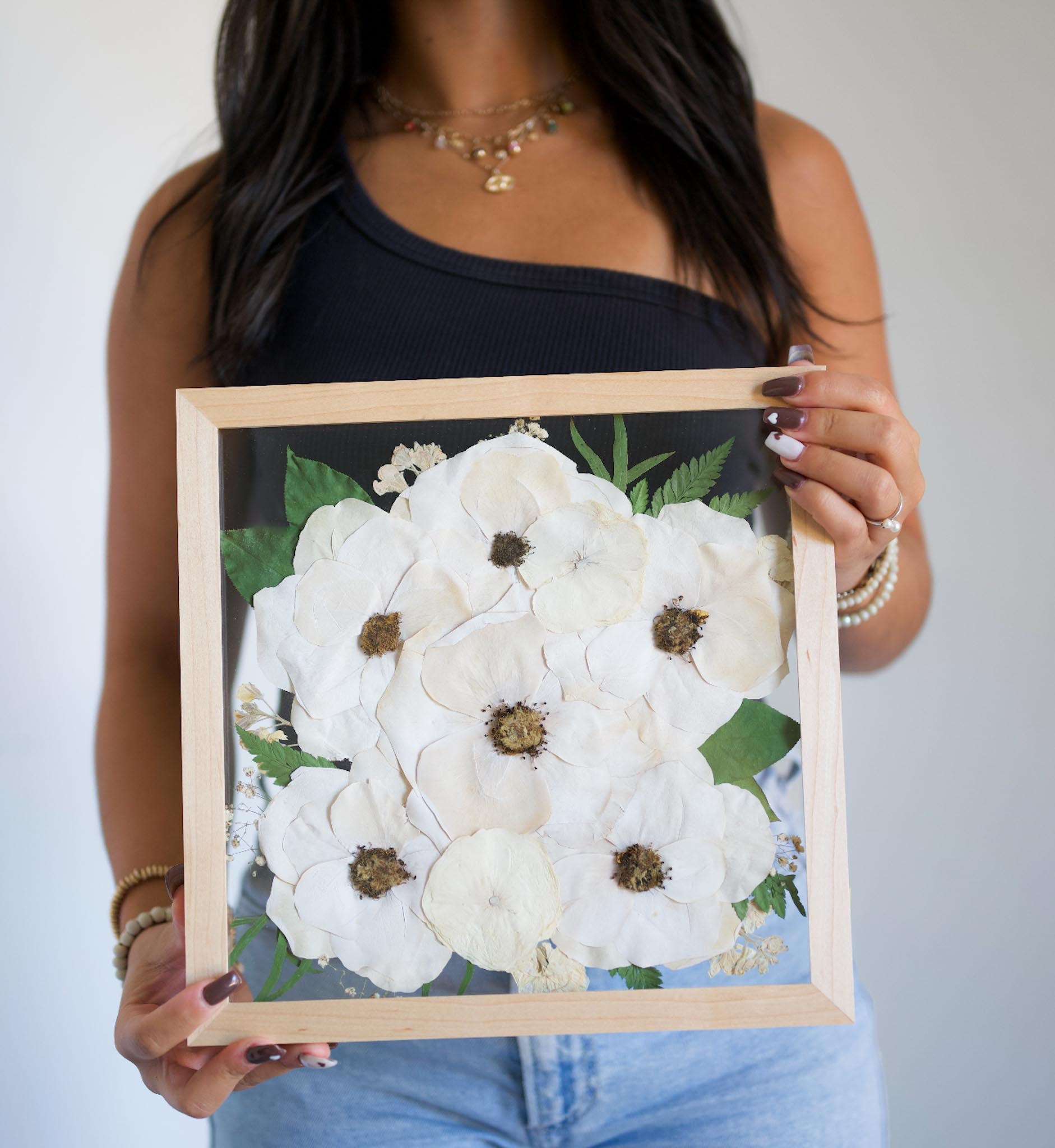
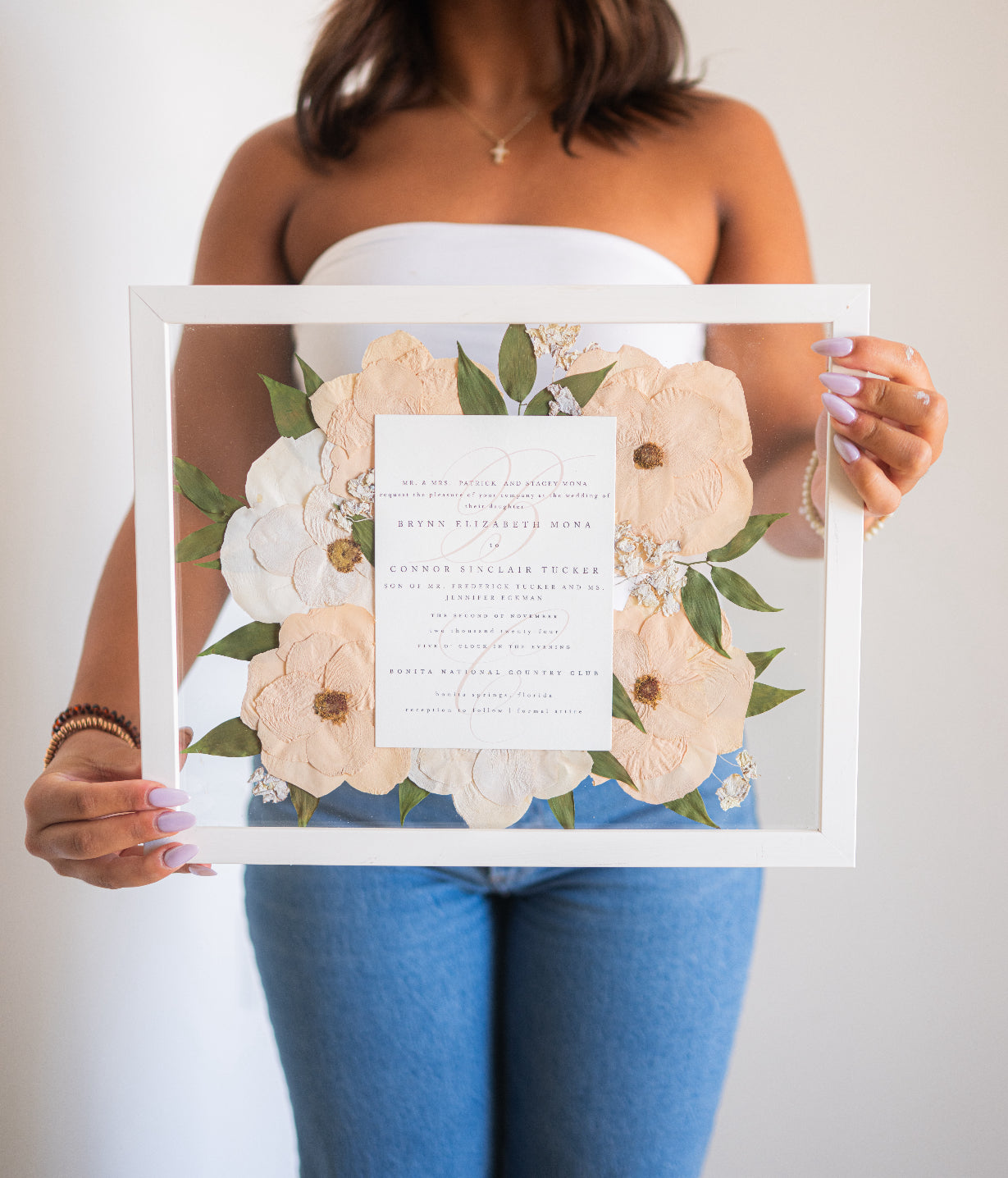
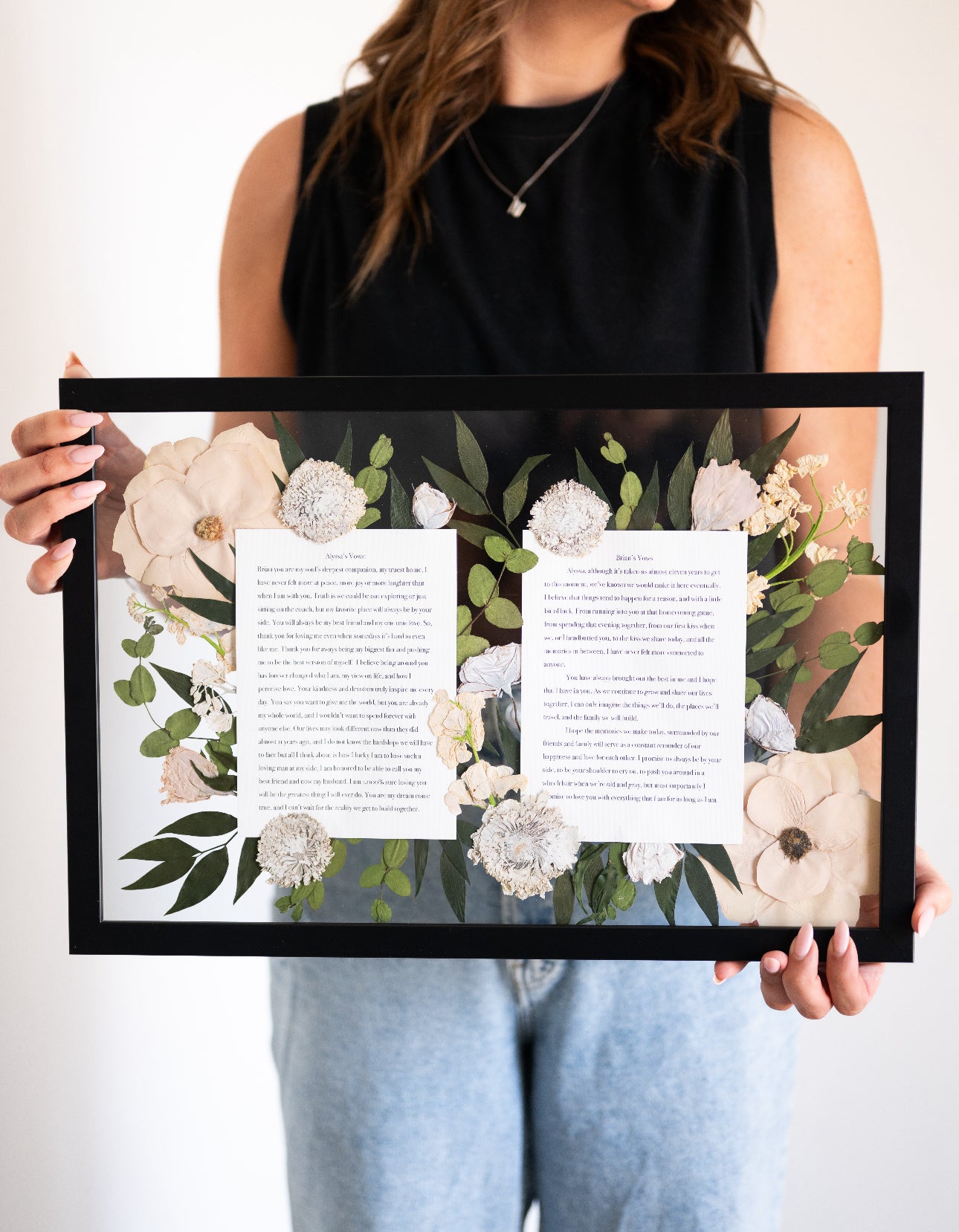
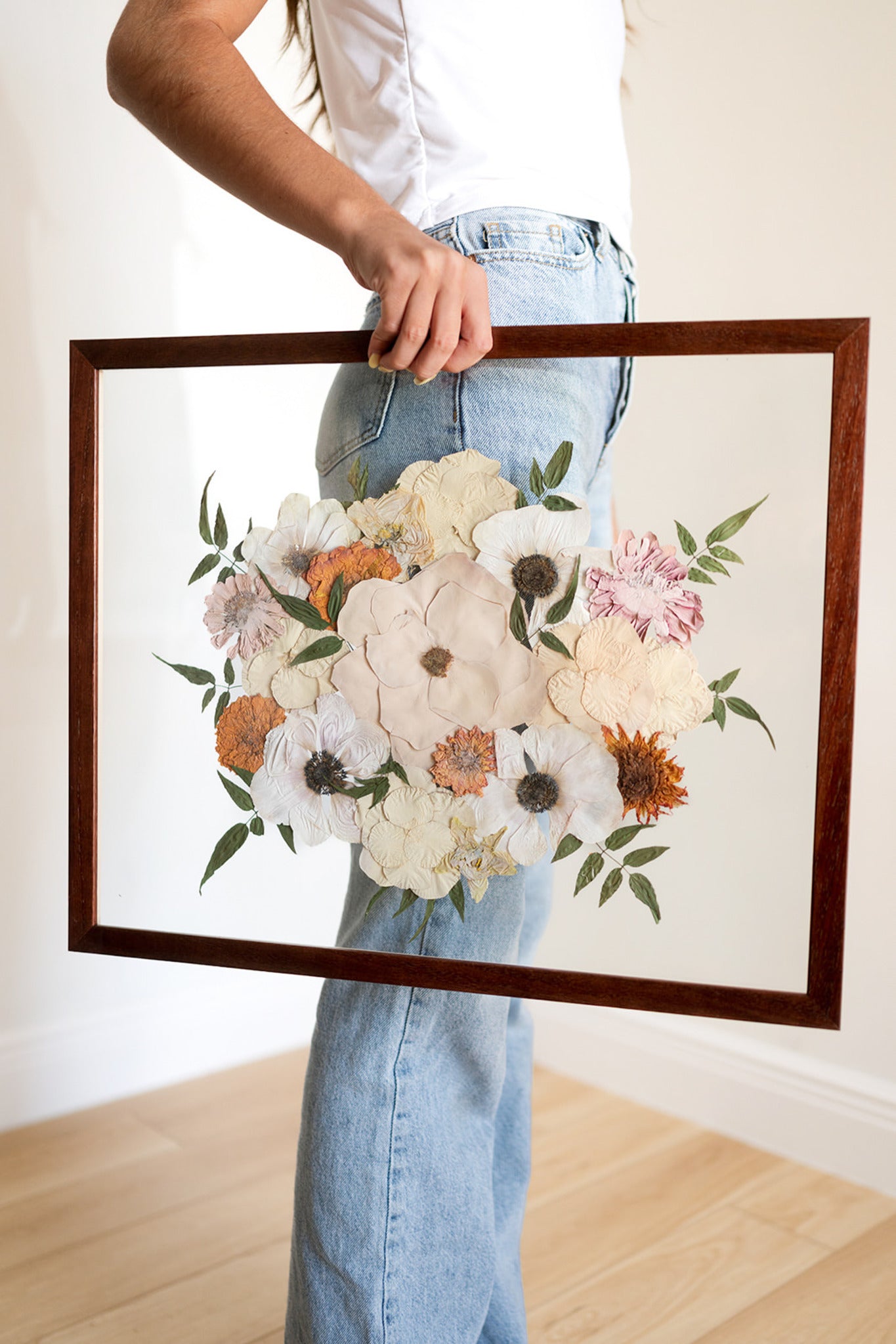
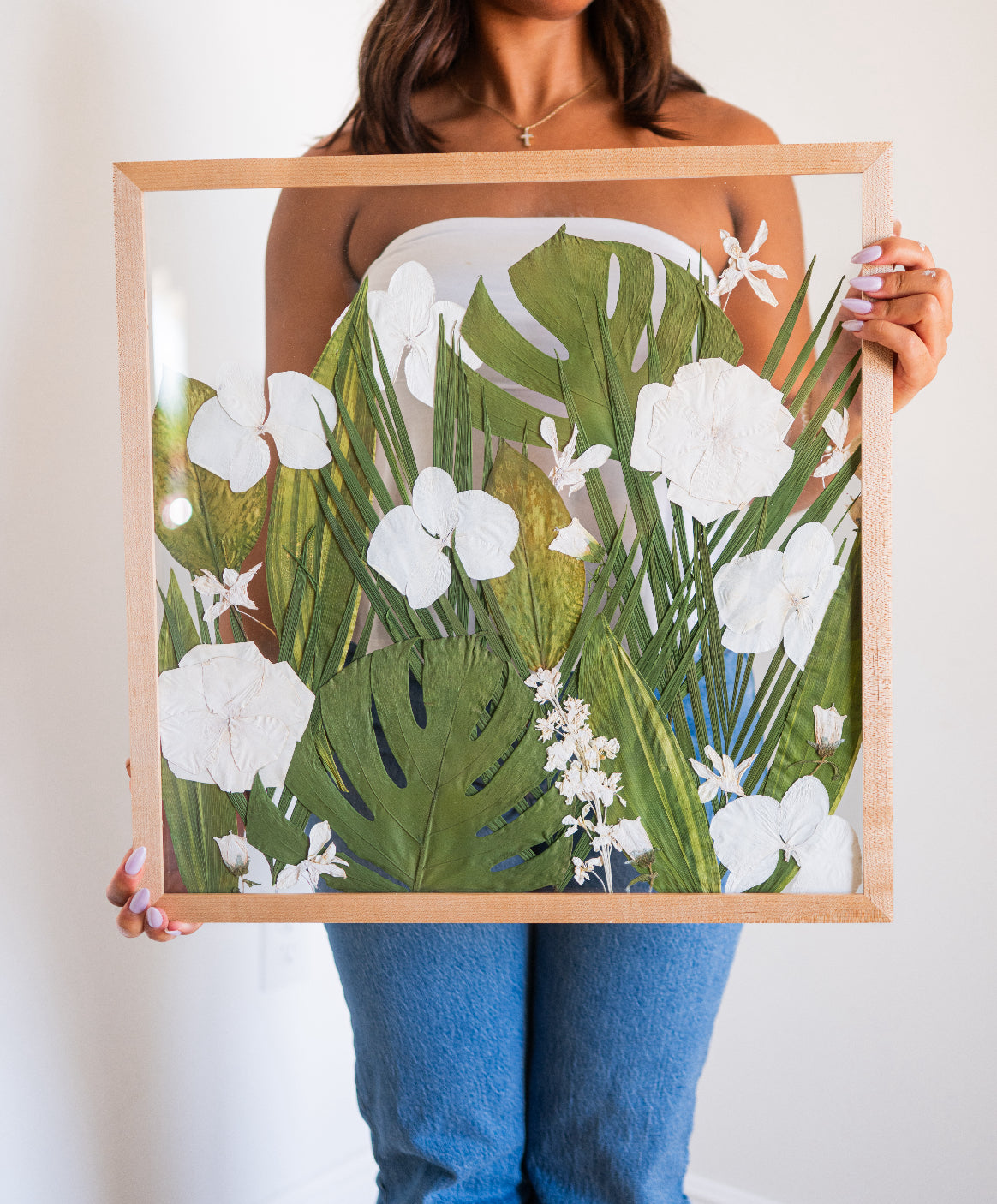



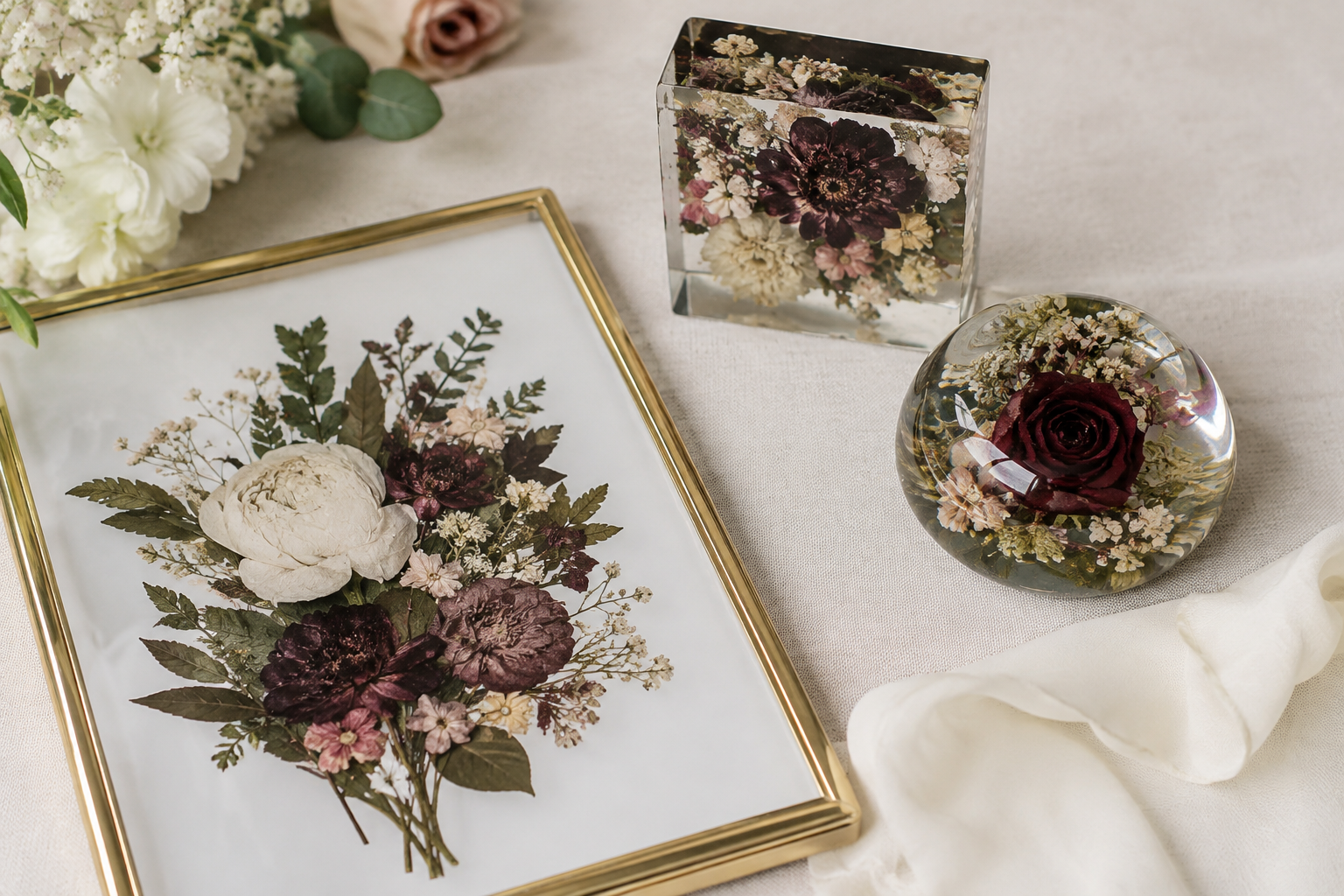
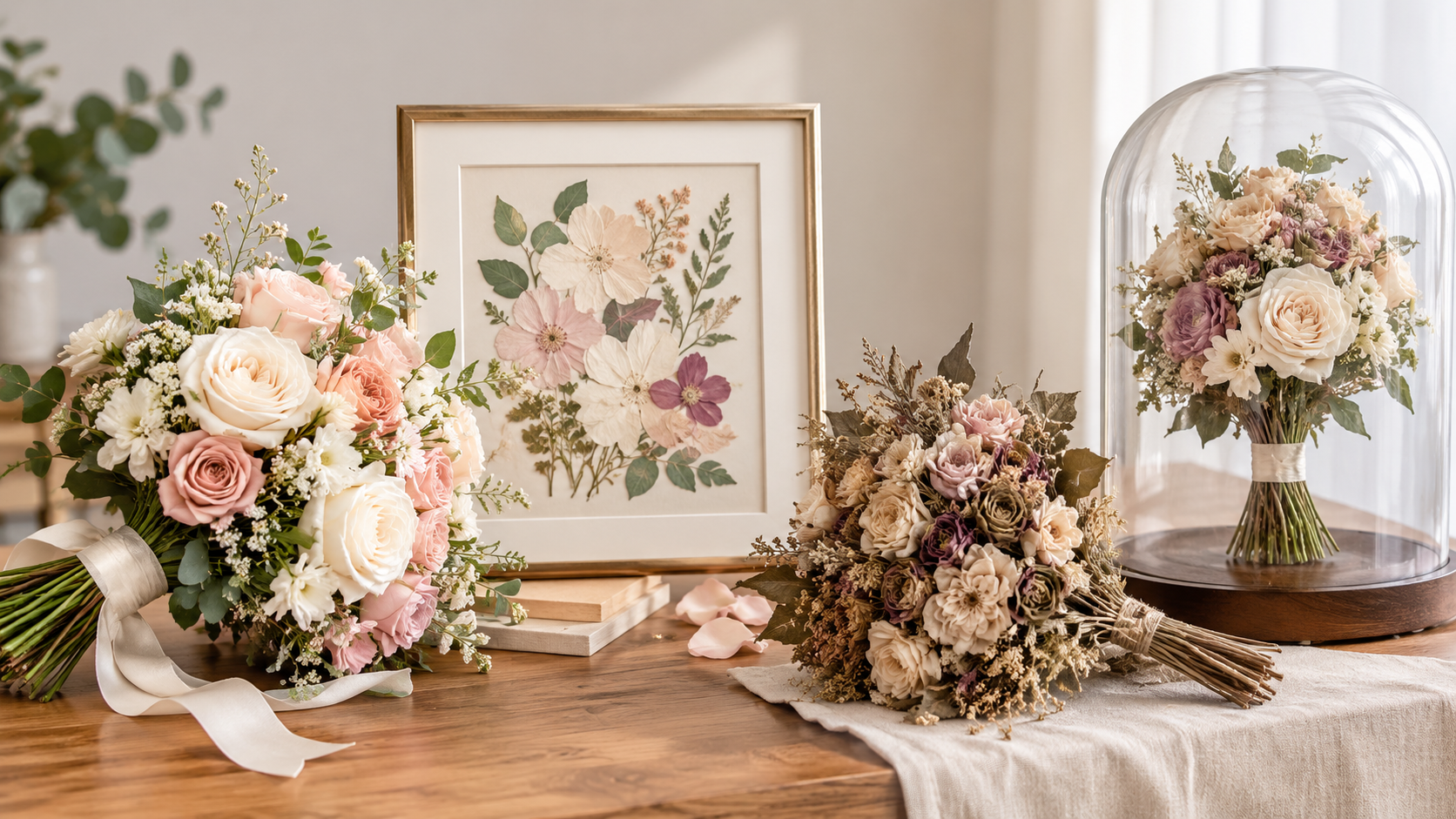
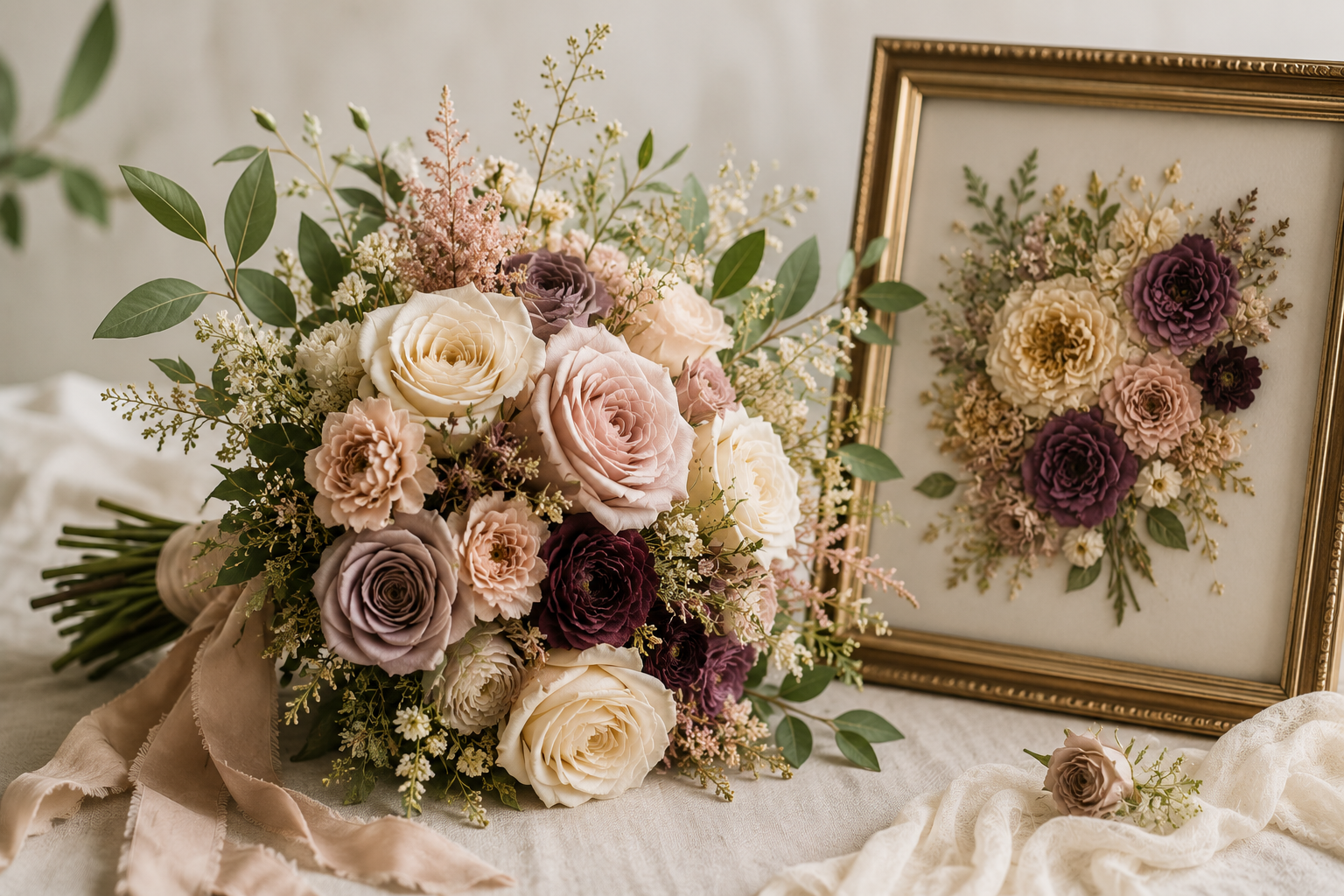
Flower preservation is one of the best ways of holding onto a moment that would otherwise fade within days. Wedding bouquets get preserved more than almost any other flowers, since they're tied to one of the most memorable days of a person's life.
Two methods that always get attention when it comes to flower preservation are pressing and resin preservation. Pressing flattens flowers and arranges them into a two-dimensional piece, usually framed as wall art. The resin method is completely different. This preservation technique embeds flowers directly into a clear, hardened resin, keeping their natural shape rather than flattening them.
If you're not sure which method is best for your flowers and don't want to risk a second chance, this blog is for you. Here's what you need to know about pressed vs. resin flower preservation and which one is actually right for you.
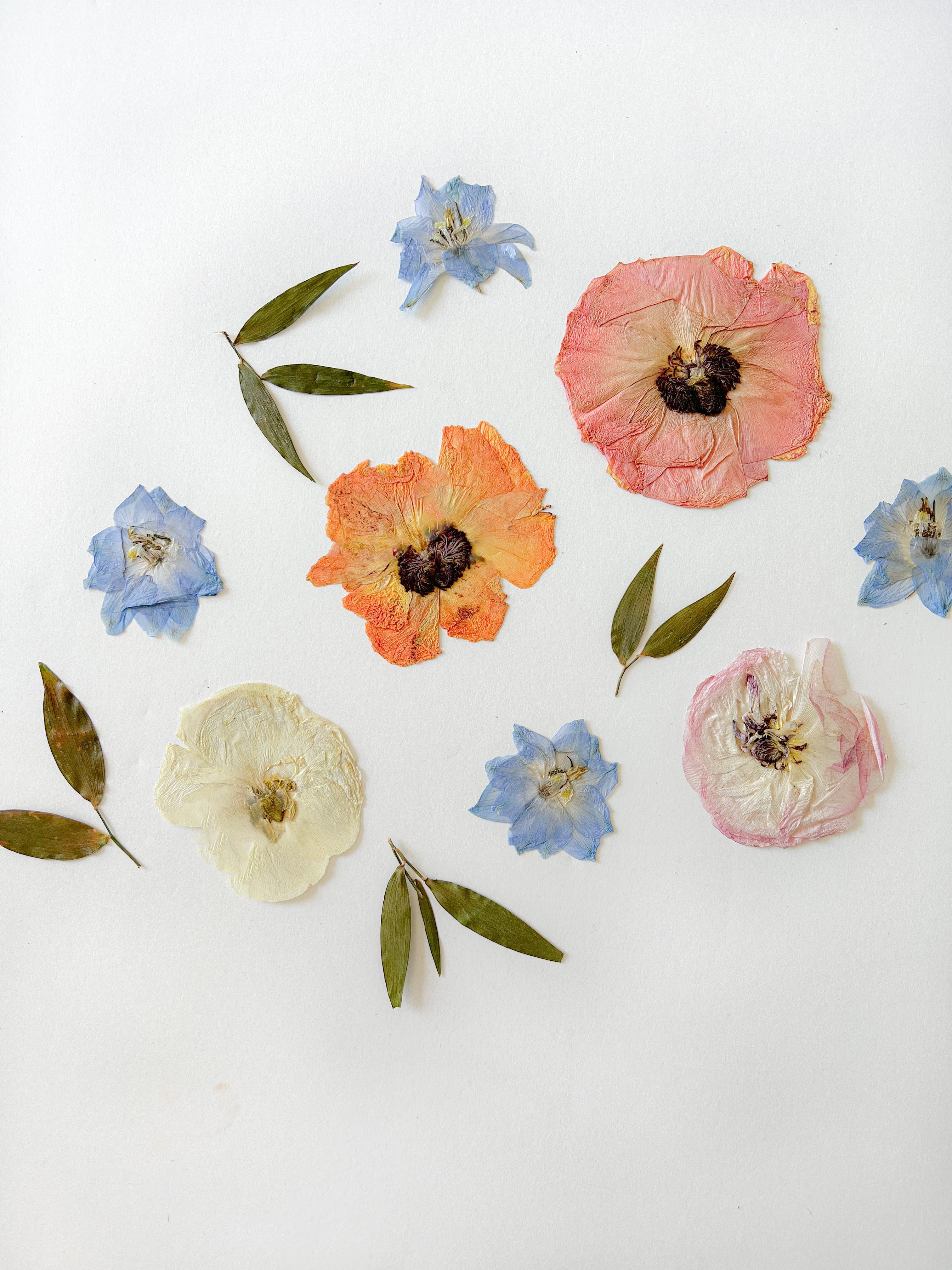
Pressed flower preservation is a traditional method where flowers are flattened under sustained weight until all their moisture is removed, resulting in a thin, dried version of the original bloom.
Method: Each bloom gets placed between sheets of absorbent paper, then held under pressure, either inside a flower press or beneath something heavy, for several days to a few weeks, longer for thicker or more moisture-heavy flowers. What's left once they're fully dry is thin, flat, and stable enough to use in framed art, greeting cards, bookmarks, or other decorative pieces.
Resin flower preservation takes a different approach entirely. Instead of removing a flower's shape through pressure, it locks that shape in place, sealing the bloom inside a clear, hardened resin so its natural form and dimension stay intact.
Method: Flowers are dried first to remove excess moisture, since any trapped moisture can cause issues once sealed in resin. Once dry, they're carefully arranged and set into liquid resin, which is then left to cure. As it hardens, the resin forms a solid, glass-like block with the flower held inside, preserved in its original shape rather than flattened.
Beyond the process itself, pressed and resin preservation differ in how they look, how long they last, and how they're typically displayed. Here's a clear side-by-side comparison.
|
Pressed Flowers |
Resin Preservation |
|
|
Look |
Flat and two-dimensional |
Keeps natural shape and dimension |
|
Common Uses |
Framed wall art, cards, bookmarks |
Paperweights, ornaments, standalone pieces |
|
Protection |
Sealed under glass or a frame |
Fully encased in solid resin |
|
Process |
Simpler, relies on time and pressure |
More technical, requires care to avoid bubbles |
|
Color stability |
May fade slightly, often color-corrected |
Resin can yellow if not UV-resistant |
|
Cost |
Generally more affordable |
Usually higher due to materials and skill needed |
Neither method wins across every category, pressing is simpler and more budget-friendly, while resin offers more dimension and a different kind of protection. Which one actually makes sense depends on what matters most to you - cost, display style, or how closely you want the piece to resemble the original bouquet.
Pressing is one of the more accessible ways to preserve a bouquet, but like any method, it comes with trade-offs worth knowing before committing to it.
Pros
More affordable than resin preservation in most cases
A simpler process with fewer technical risks like bubbles or uneven curing
Well-suited for framed wall art, cards, and smaller keepsakes
Wide range of display options, from large statement pieces to small everyday items
Cons
Flowers lose their natural shape and dimension once flattened
Color can shift or fade slightly during the pressing process
Bulkier or high-moisture flowers can be harder to press evenly
Less protection from physical damage compared to a solid resin piece
Resin preservation offers a different kind of keepsake than pressing, closer to the bouquet's original form, but with its own set of trade-offs worth understanding first.
Pros
Keeps flowers in their natural, three-dimensional shape
Offers strong protection against air, moisture, and physical damage
Creates a more tactile, dimensional keepsake compared to flat pressed art
Works well for smaller display pieces like paperweights and ornaments
Cons
Typically costs more due to materials and the skill required
More technical process, with a higher risk of bubbles or uneven curing
Resin can yellow over time if it isn't UV-resistant
Fewer large-format display options compared to framed pressed art
Resin preservation trades simplicity for dimension, it takes more skill to get right, but the result holds the bouquet's shape in a way pressing can't.
There's no universal right answer here; it comes down to what you actually want the finished piece to do: sit flat on a wall or hold its shape the way the bouquet did on the day itself.
Choose pressed flowers if:
Budget matters, since pressing is generally the more affordable option
You want a flat, artistic piece suited for framed wall art or smaller keepsakes
Your bouquet is made up of thinner, more delicate petals that flatten evenly and hold their color
You want flexibility in how it's displayed, from a small card to a large statement frame
Choose resin preservation if:
Keeping the bouquet's natural shape and volume matters more than cost
You want something tactile and dimensional, not flat artwork
Your bouquet includes bulkier or fuller blooms that would lose detail if pressed flat
You're willing to pay more and wait longer for a result that looks closer to the original bouquet
Whichever direction you lean, the right choice is the one that still feels worth looking at years from now, not just in the weeks right after the wedding.
Pressing and resin preservation solve the same problem in completely different ways. Both turn a bouquet that would otherwise wilt within days into something that actually lasts, but the results couldn't look more different. Pressing keeps things simple and affordable, flat, artistic wall art that captures the delicate side of your flowers. Resin goes the other direction, holding onto the bouquet's original shape and volume, at a higher cost and with more skill involved in getting it right.
Neither one is the better choice on its own. It comes down to your budget, the flowers themselves, and how you picture the finished piece living in your space, whether that's something to hang, or something to hold.
If you're still deciding which method fits your bouquet, Olive Branch Studios can help you choose the right option and turn your flowers into a keepsake you'll want to look at for years to come.
Many types of flowers can be pressed, although results can vary depending on the flower's size, shape, moisture, and natural structure. Delicate flowers and flatter blooms generally work well with pressing.
The pressing process can take several days to several weeks, depending on the type of flower and its moisture content. Flowers need to be completely dry before they are arranged and framed.
Pressed flowers can experience some natural color changes as they dry. Olive Branch Studios can color correct flowers when needed to help restore their appearance before creating the finished artwork.
Yes. Flowers can still be considered for pressing when they have started to wilt, although their condition can affect the final result. It is best to send the bouquet as soon as reasonably possible after the wedding.
After the flowers are pressed and dried, they are carefully arranged by hand to create the selected floral design. The finished arrangement is then placed into its chosen frame or display style as a lasting keepsake.

Hope founded Olive Branch Studios in 2020 while dedicating her time to mission work. With a passion for art and a heart for service, she initially created pressed flower art to support her missions. Her creative vision and commitment to craftsmanship have shaped Olive Branch Studios into the thriving business it is today. Hope continues to lead the company’s artistic direction, infusing each project with her unique touch and unwavering dedication.